Common Comfort Problems in the Lake Ariel Area
- Upstairs rooms that are difficult to heat in winter or keep cool in summer
- Cold floors above a vented, damp or poorly insulated crawl space
- Drafts near attic hatches, exterior-wall penetrations and rim joists
- Settled, missing or disturbed attic insulation
- Condensation or musty odors that require moisture investigation
- Seasonal homes that take too long to reach a comfortable temperature
- Garages, additions or post-frame buildings with incomplete thermal boundaries
These symptoms can have more than one cause. An insulation assessment should distinguish insulation deficiencies from roof leaks, bulk-water intrusion, HVAC problems, unsafe combustion conditions and other issues that require a different professional.
Serving Lake Ariel Communities in Wayne County
Attis Insulation serves homeowners with Lake Ariel addresses across Wayne County. Because Lake Ariel is a postal designation rather than a single municipal government, the property may be located in Lake Township, Salem Township or Paupack Township. The municipality should be confirmed from the property record before permit or code questions are answered.
- The Hideout – a large private residential community extending through Lake and Salem Townships. Property owners should confirm current Environmental Control Committee requirements before work begins.
- Indian Rocks – a private community in Salem Township. Owners should check the association’s current handbook and approval rules for exterior access, equipment or construction-related work.
- Wallenpaupack Lake Estates – a private community in Paupack Township with its own rules and administrative office. Community approval may be separate from a township permit.
Attis can coordinate the insulation scope with the property owner, but association approval and municipal approval are separate. Approval from a community does not replace township or building-code requirements, and a township approval does not replace private-community rules.
Lake Ariel Permits and Building Code Coordination
Pennsylvania uses the Uniform Construction Code. A straightforward insulation repair or replacement may qualify as an ordinary repair and may not require a UCC building permit. A permit or inspection is more likely when insulation is part of new construction, an addition, a permitted alteration, a change to a regulated building assembly, or work involving structural, electrical, mechanical or plumbing systems. The local building-code official makes the final determination for the exact property and scope.
For a Lake Ariel address, confirm the township first, then use the appropriate official contact:
- Lake Township Wayne County – the township states that Pennsylvania’s UCC requires a permit before most construction work and provides building permit and subcode forms.
- Salem Township Wayne County – the township provides residential permit requirements and identifies Building Inspection Underwriters for building-code questions.
- Paupack Township – contact the township or its designated building-code official for the property-specific permit decision when the Lake Ariel address lies in Paupack Township.
For permitted construction, insulation is normally inspected before it is concealed. Attis should describe the proposed material, location, thickness and assembly, but should not promise that a permit is or is not required until the municipality or its building-code official confirms it.
Why Homeowners Choose Attis Insulation
- The owner participates in estimates and remains available during the project
- Spray foam and fiberglass options instead of forcing one material into every assembly
- A practical review of insulation, air leakage and moisture conditions
- Clear explanation of preparation, installation limits and recommended next steps
- A defined written scope, jobsite protection and cleanup at completion
What to Expect
- Conversation: Tell us what you are noticing, which areas are involved and how the building is used.
- Assessment: We review accessible insulation, air-leakage pathways, moisture indicators and project constraints.
- Scope: You receive a recommendation identifying the proposed material, area, preparation and exclusions.
- Installation: The crew protects work areas and completes the agreed installation.
- Review: We clean the work area and review the completed scope and follow-up considerations.
Insulation Solutions for Lake Ariel Homes
The right scope depends on the home’s construction, existing materials, moisture conditions and how the space is used. During an assessment, we look beyond the symptom – a cold room, high humidity or uneven temperatures – to identify the assembly that needs attention.
Attic Insulation and Air Sealing
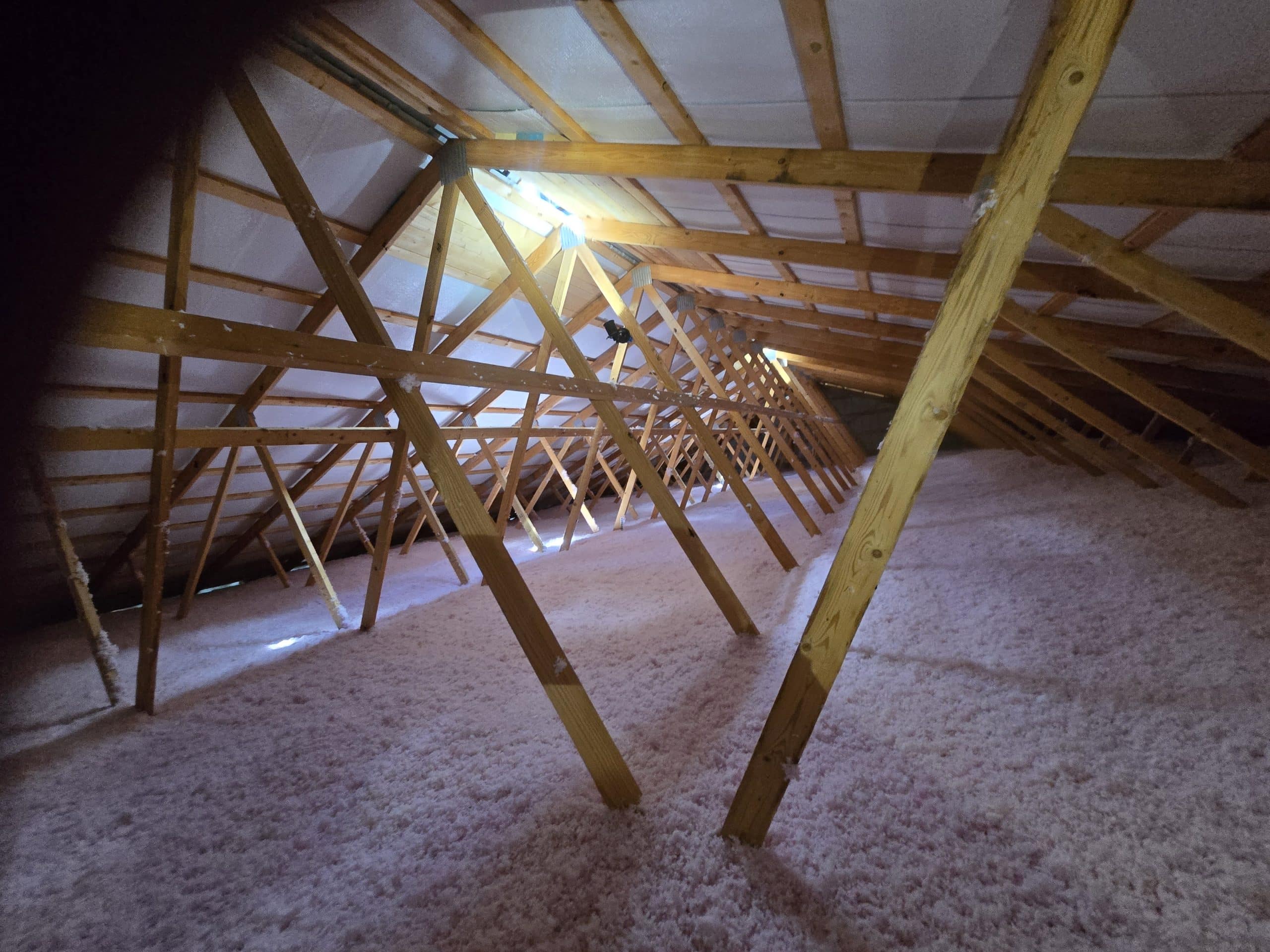
An attic can lose performance when insulation is thin, uneven, compressed or disturbed. Air leaks around wiring, plumbing, attic hatches and other penetrations can also allow conditioned air to escape. When appropriate, Attis can seal accessible leakage points and add insulation to create a more continuous thermal boundary. Ventilation, recessed fixtures and other safety details must be evaluated as part of the scope.
Closed Cell Spray Foam Insulation
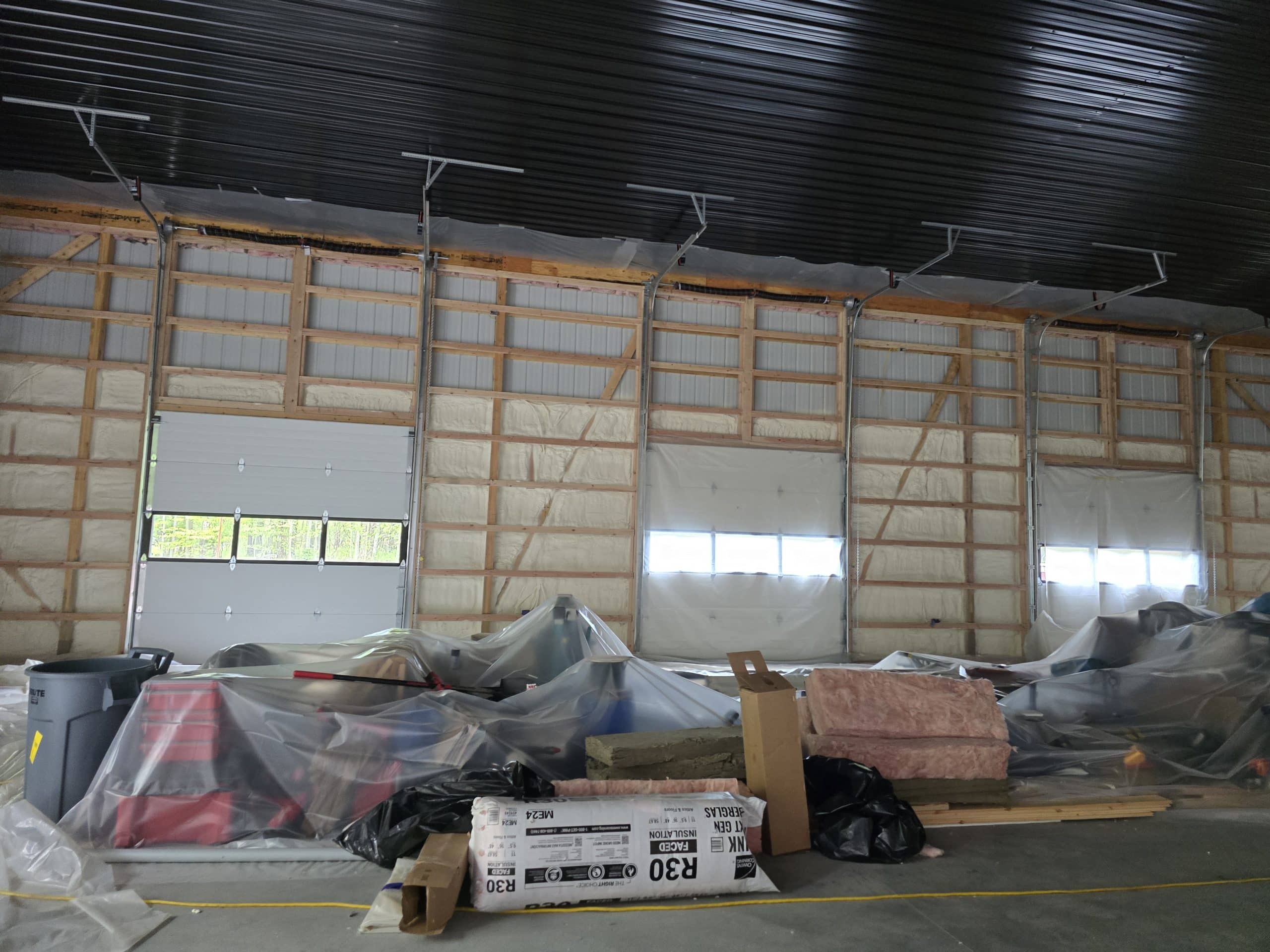
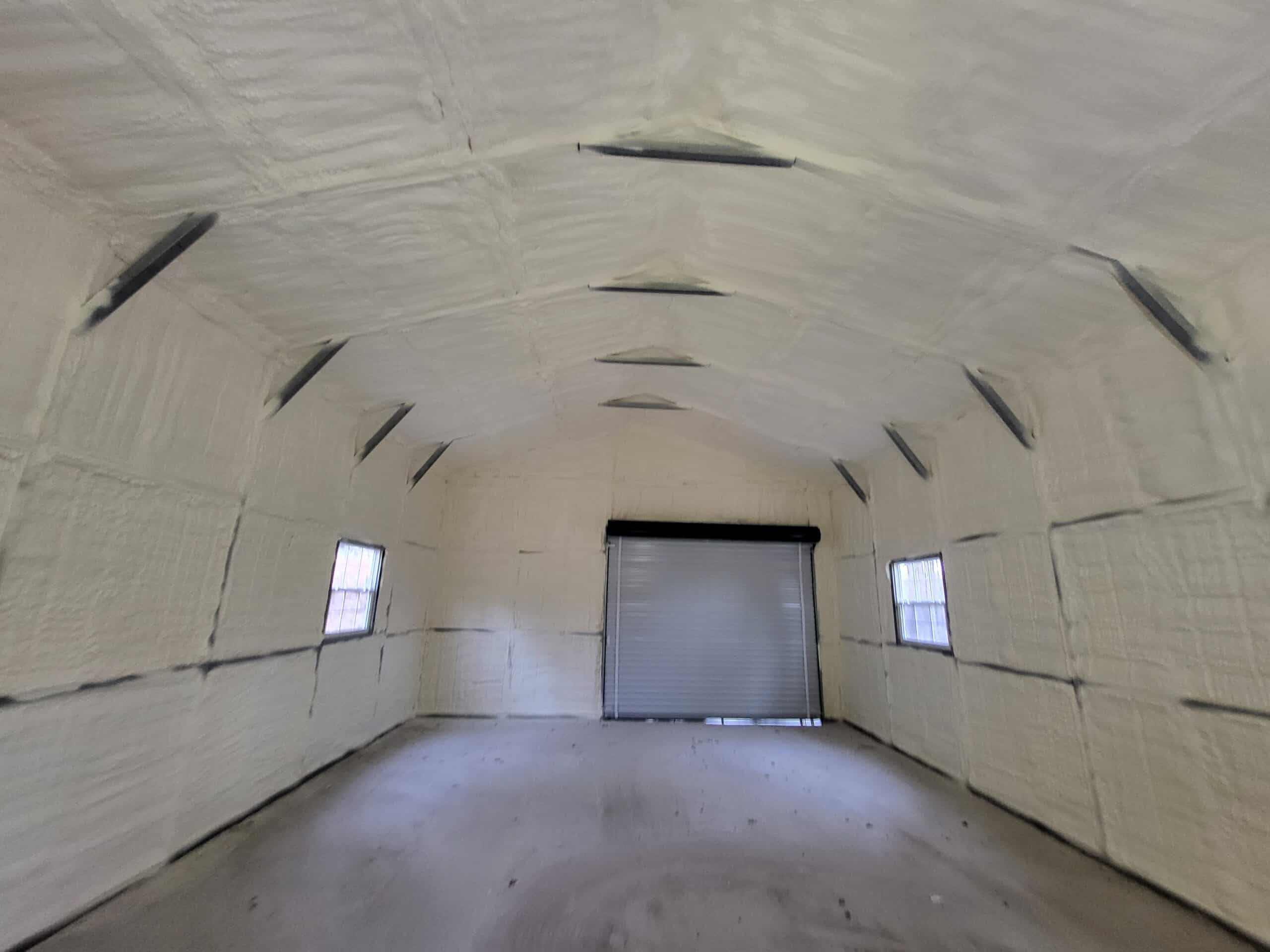
Closed-cell spray foam can provide insulation and air control in a compact layer, making it useful for selected rim joists, crawl-space walls, roof assemblies, additions, garages and metal or post-frame structures. It is not automatically the best choice everywhere. The substrate, moisture conditions, assembly design, required ignition or thermal barriers and access all need to be considered before installation.
Fiberglass Insulation
Fiberglass remains a versatile option for many attics, walls and floor systems. Performance depends on proper depth, density and installation without gaps or compression. Depending on the project, blown fiberglass can improve coverage across an open attic, while batts may fit accessible framed cavities.
Crawl Space Insulation and Encapsulation
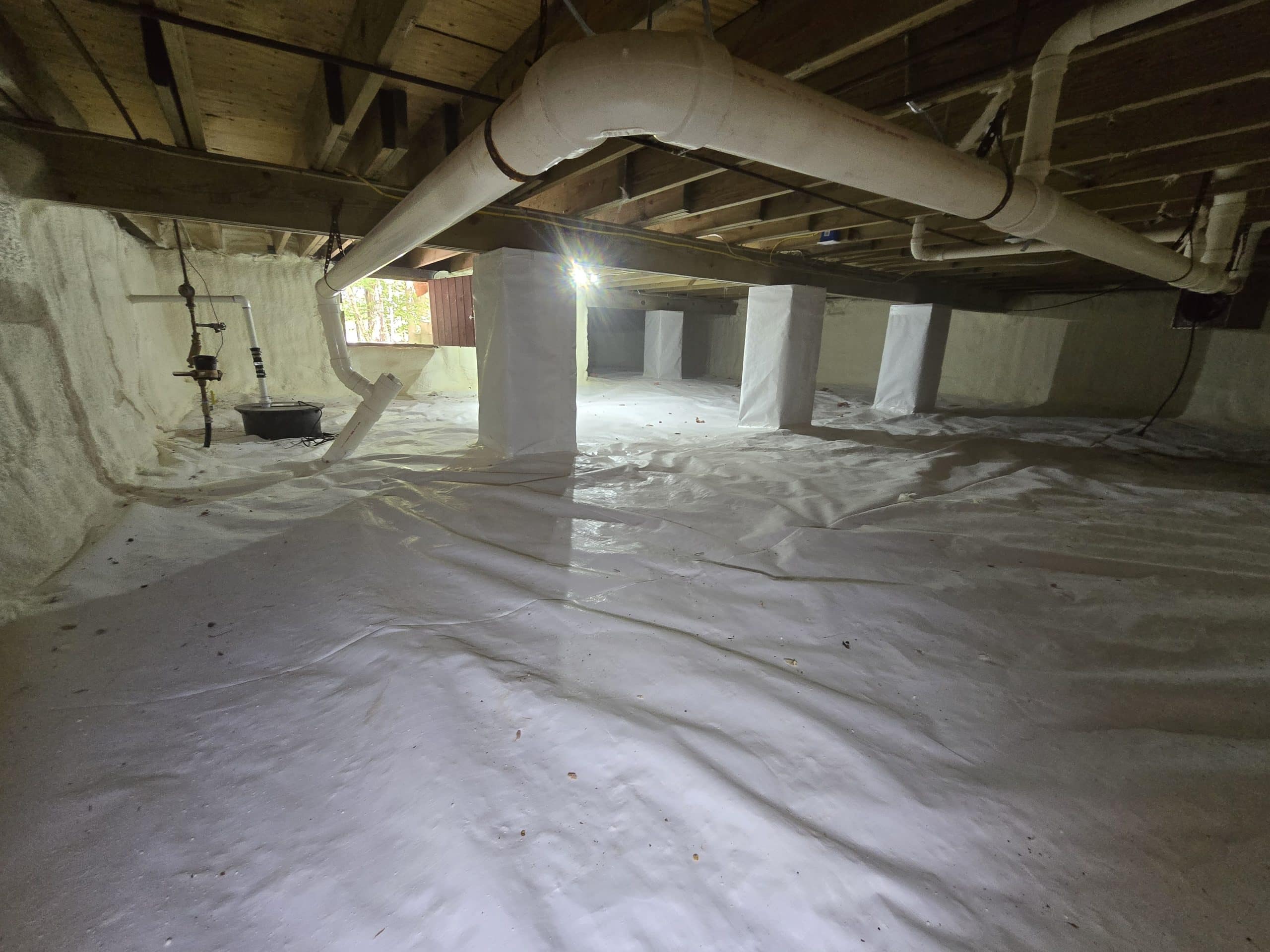
Cold floors, musty odors and visible condensation may point to a crawl-space problem, but insulation alone may not solve it. A durable plan can include ground-vapor control, air sealing, insulation and moisture management based on the existing foundation and mechanical systems. Active water entry, drainage and structural issues should be corrected by the appropriate trade before enclosure work proceeds.
Insulation Removal and Cleanup
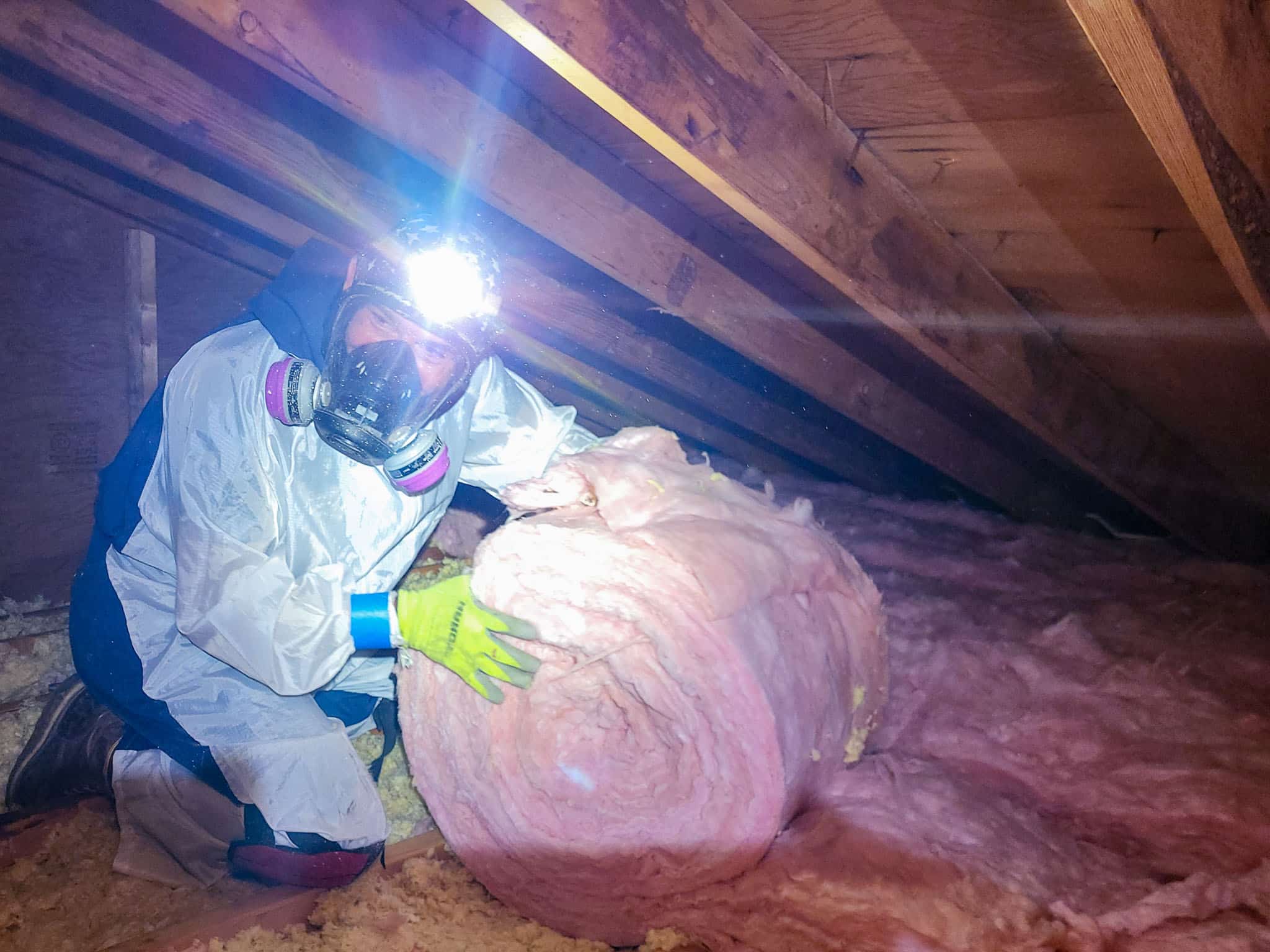
Old insulation may need to be removed when it is heavily contaminated, wet, damaged by pests or blocking access needed for air sealing and repairs. Removal is not required for every upgrade. We assess whether the existing material can remain, be supplemented or should be taken out before new insulation is installed.